ListDefender Blocks 2M Fake Signups Across Five CRM Platforms
ListDefender has processed 500M+ emails and blocked 2M malicious fake signups. Its dual-engine system combines HighLevel list cleaning with real-time form bot defense across five major CRM platforms.
Gilbert-based ListDefender has scaled to 500M+ emails processed while blocking 2M bot and fake signups. The platform's dual-engine approach pairs continuous CRM hygiene with real-time form bot defense, helping businesses meet 2026 Google and Yahoo deliverability thresholds.
ListDefender Expands Automated List Hygiene to Meet 2026 Google and Yahoo Deliverability Standards
ListDefender, a Gilbert, Arizona-based email deliverability and list hygiene platform, has expanded its automated hygiene protocols across five major marketing platforms as inbox providers enforce stricter compliance thresholds heading into 2027. The expansion comes as the platform crosses two operational benchmarks: more than 500 million emails processed and 2 million malicious fake signups blocked across its customer base.
Tighter Inbox Standards Drive Platform Expansion
Google and Yahoo have set compliance floors that now define the operational baseline for email marketers. Under the 2026 standards, senders must maintain a spam complaint rate below 0.1% and keep hard bounces under a 2% threshold. Marketers who exceed either ceiling risk bulk deferrals or permanent deliverability damage. ListDefender's expansion addresses both metrics directly by removing invalid, inactive, and bot-sourced contacts before they accumulate inside a sender's CRM.
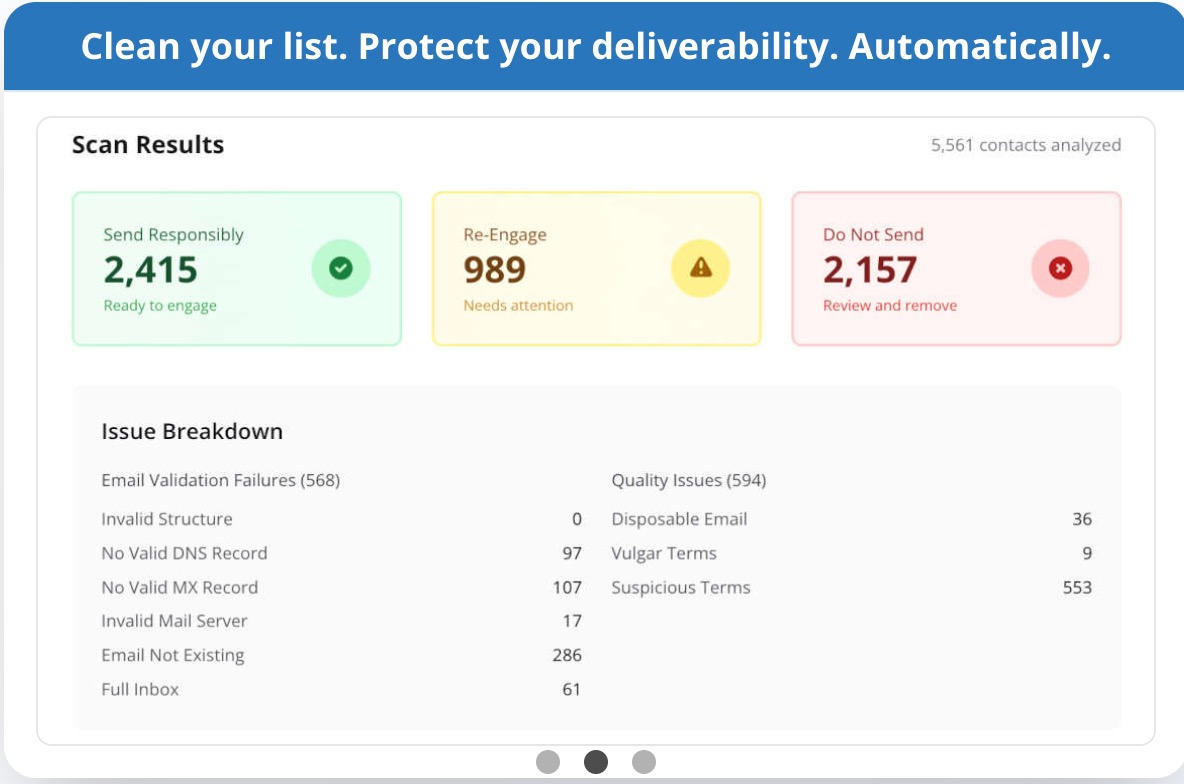
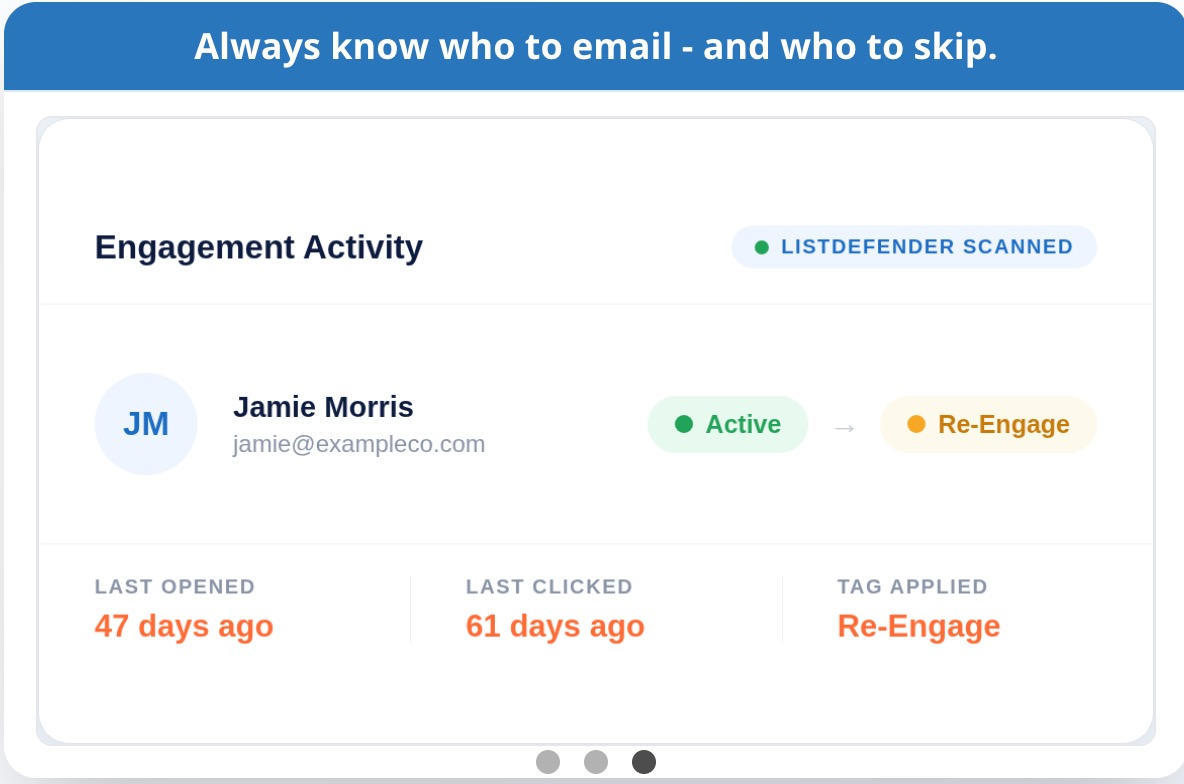
The platform now operates continuous background list hygiene across HighLevel, Keap, ActiveCampaign, Kit, and ClickFunnels. Rather than requiring manual list exports and uploads, the system monitors connected accounts on an ongoing basis, flagging and suppressing contacts that fall outside deliverability-safe parameters. For marketers running large-scale automations, this removes a manual compliance step that has historically been a source of delayed action and preventable bounces.
Dual-Engine Architecture Targets Two Distinct Risk Points
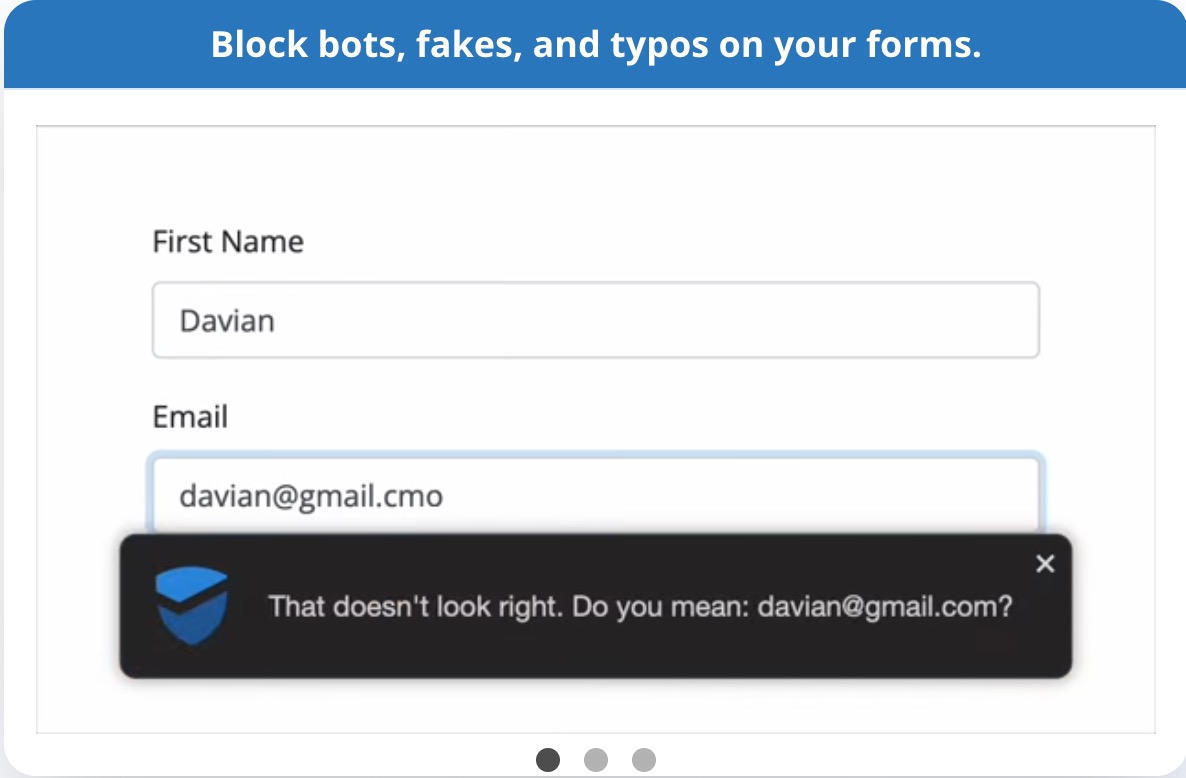
ListDefender operates on a two-layer model. The first layer handles existing CRM contacts through continuous hygiene, processing lists against deliverability criteria and removing addresses that would trigger bounce or spam signals. The second layer, FormDefender Real-Time Edge Defense, intercepts threats at the point of form submission before they ever enter a CRM.
FormDefender uses JavaScript edge verification to identify and block headless browser bots, disposable email addresses, and automated form submissions at the moment of entry. This matters beyond email deliverability alone. When bot submissions trigger a paid ad conversion pixel, the event is recorded as a conversion in platforms like Google Ads or Meta, distorting campaign performance data and inflating cost-per-lead figures. Simultaneously, those same submissions initiate CRM automation sequences - including Twilio SMS workflows and Zapier-connected triggers - generating real operational costs from contacts that were never genuine prospects. FormDefender's verification runs before any of those events fire, keeping both CRM data and ad attribution clean from the point of contact forward.
This combination - blocking bad contacts at entry while continuously cleaning what already exists - reflects the architecture behind ListDefender's milestone figures. The 2 million bot and fake signups blocked represents form-level interceptions alone, separate from the hygiene work performed on existing lists.
Founder Commentary on Automated Deliverability Infrastructure
"The 2026 Google and Yahoo thresholds removed the margin that let marketers deprioritize list quality," said Dave Lee, Co-founder of ListDefender. "A sender who lets bot signups accumulate, or who ignores bounce rates until they become a problem, is now operating in penalty territory faster than they realize. What we built is infrastructure that makes compliance the default state rather than a cleanup task."
Lee developed the platform in response to patterns he observed in how bot signups propagate across marketing stacks - entering through forms, triggering automation sequences, and distorting analytics before a human ever reviews the contact record. The dual-engine approach was designed to close that entry point while simultaneously remediating what already existed in connected accounts.
HighLevel List Cleaning and Broader CRM Coverage
HighLevel users represent a significant portion of ListDefender's active integrations, given that platform's adoption among marketing agencies and SaaS-focused operators. The HighLevel List Cleaning & Deliverability Guide published by ListDefender outlines the specific hygiene steps relevant to that environment, including how bounce thresholds accumulate in sub-account structures and how real-time form bot defense integrates with HighLevel's native automation workflows.
The HighLevel list cleaning functionality connects directly to sub-account CRMs, running hygiene on contact records without requiring manual exports. For agencies managing multiple client accounts, the integration allows hygiene to run across accounts under a single ListDefender connection, maintaining consistent deliverability standards regardless of how individual clients manage their own outreach cadence.
As inbox providers continue narrowing acceptable sender behavior, ListDefender's expanded protocol coverage positions the platform as operational infrastructure for marketers who cannot absorb the deliverability consequences of unmanaged list quality.